Five chapters from the pilot: what worked, what was hard, and where it goes next. Every number comes from the H1 2026 report card.
Chapter 1Workshops
From curiosity to a first transaction.
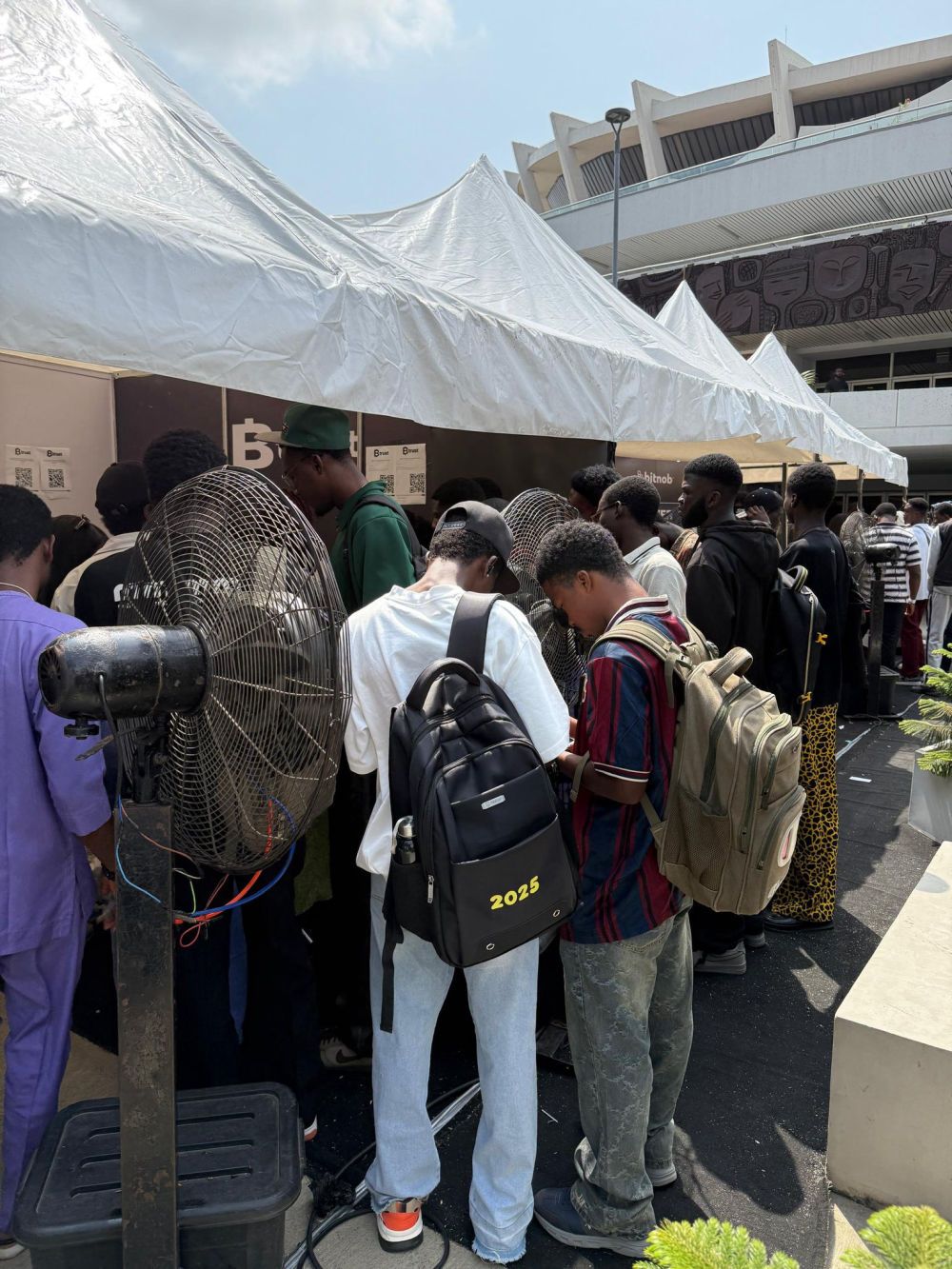
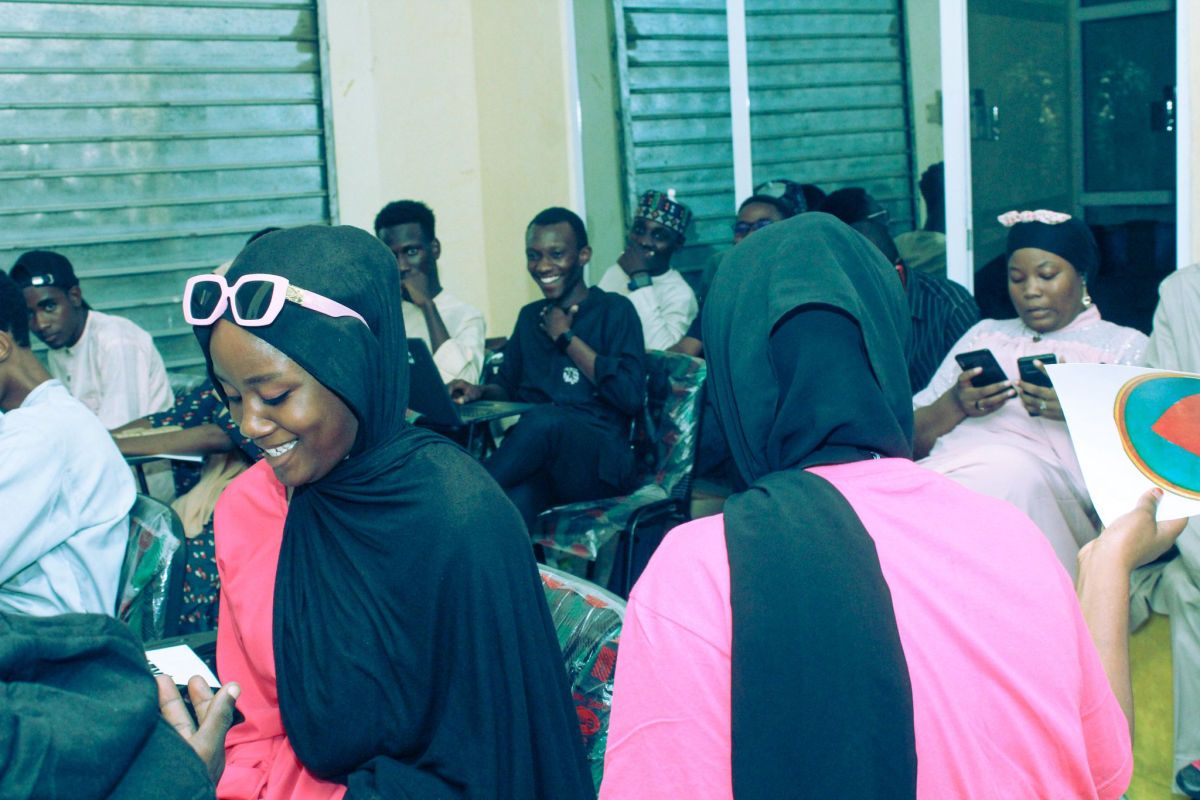
Hands-on session on phones
Most students arrive curious but have never held a wallet. The workshops are discussion-based and need no prior experience. Students set up a wallet, make a real transaction and learn digital security, all in the room.
The goal is not just awareness, it is capacity.
Campus Connect H1 2026 report card
10Workshops run
87%Completed
68%Transacted within 30 days
Sixty-eight percent of surveyed participants made at least one BitcoinCash transaction within 30 days of their workshop. That is the behaviour change the programme is built to produce.
Chapter 2Merchant Connect
48 merchants say yes.
Outdoor event
Education only sticks when there is somewhere to spend. Merchant Connect pairs students with mentors and shows businesses how to accept BCH. The pitch is practical: transactions cost pennies, confirm in seconds and cannot be charged back.
The aim is to turn curious students into informed users, builders and advocates. In the first cohort students ran five BCH meetups themselves and showed twelve product demos.
5Student-led meetups
12Product demos
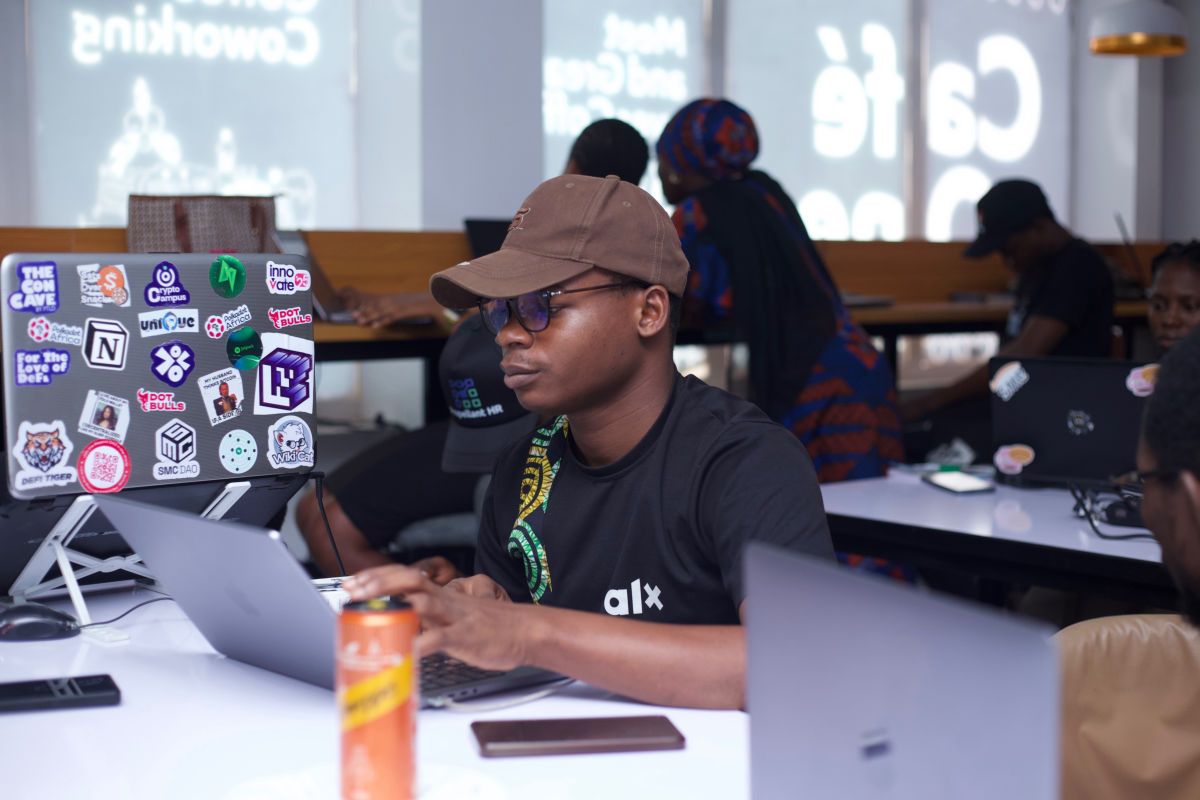
Developers made up a quarter of participants.
Chapter 4Lessons learned
What the first cohort taught us.
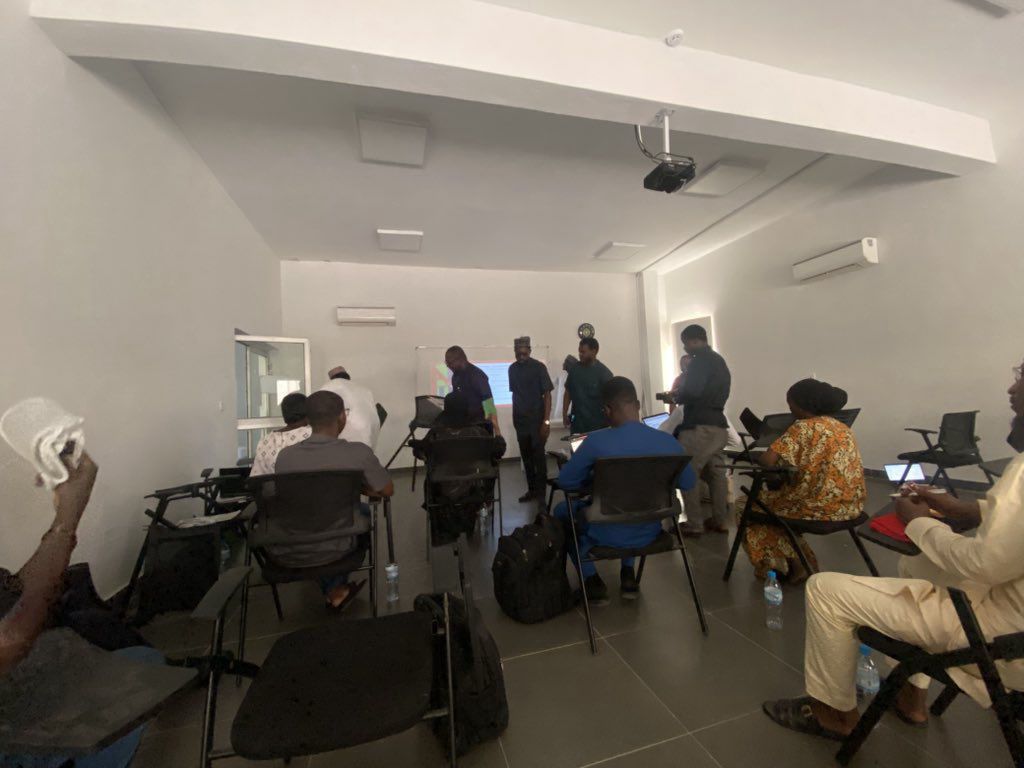
A session in a modest room
The pilot was as much a lesson in resilience as a milestone for grassroots BCH adoption. Four things got in the way.
Travel bottlenecks
Campuses sit in different states and regions. Organisers and facilitators absorbed the transport costs and long journeys. Poor roads, unpredictable fares and tight schedules meant some sessions were rescheduled or condensed because a facilitator was still in transit.
Low community visibility
The report lists visibility as a challenge. Showing the photos, results and stories on this site is part of how the next cohort reaches more students.
Funding constraints
Funding lagged behind ambition. Volunteer stipends, printed materials and basic session logistics were often self-funded or covered by informal contributions. That limited how many campuses the pilot could reach.
Space rental
Many campuses needed formal bookings with fees. Last-minute availability pushed some sessions into cramped rooms, hardly the best place to introduce peer-to-peer electronic cash to newcomers.
Chapter 5Sustainability
From pilot to a student-led network.
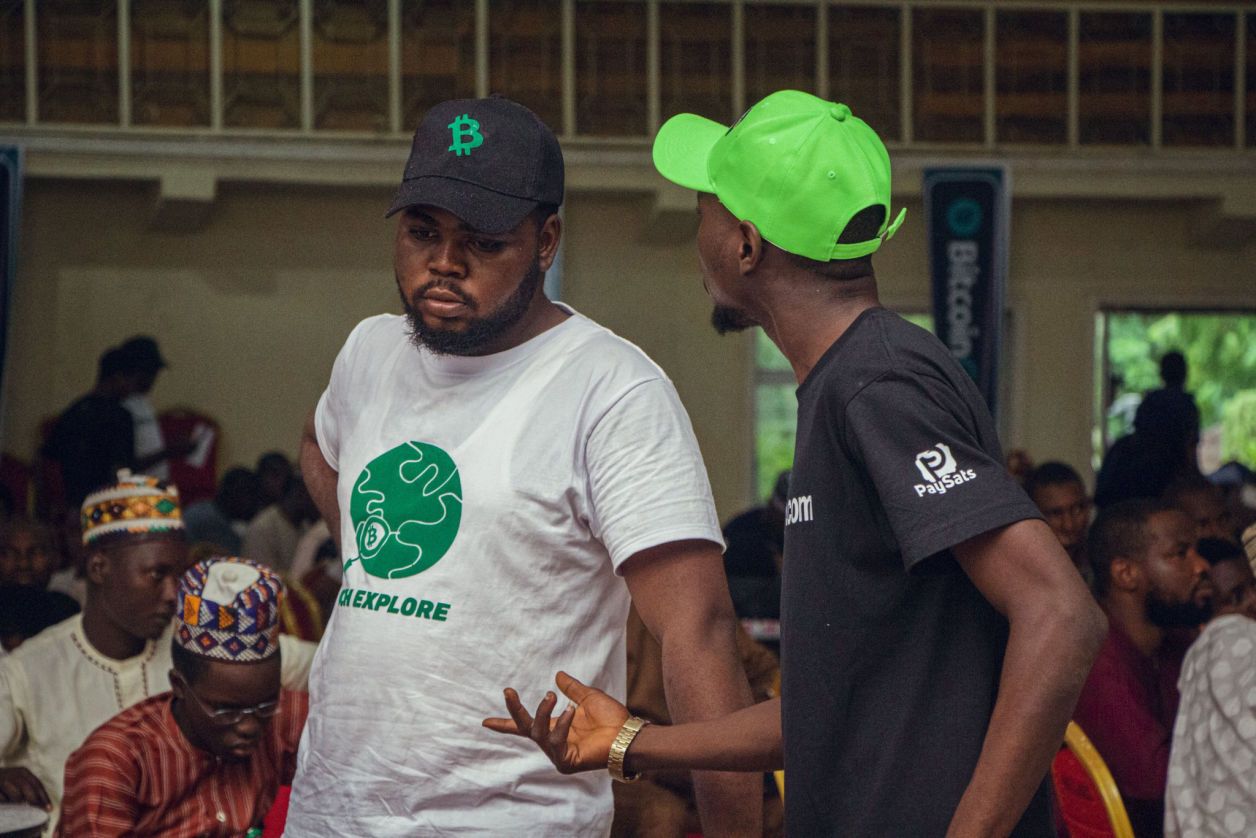
Mentors on the floor
Next the programme expands beyond its current footprint through strategic partnerships. Four steps: scale to five countries, grow the merchant network, train the trainers, and run a community funding round.
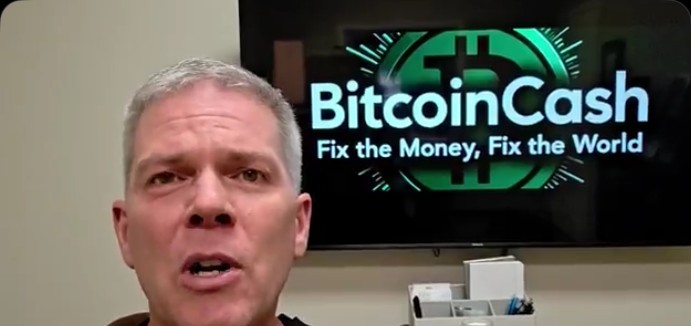
When Dr Flex announced the community hub bringing African Bitcoin Cash builders together on 25 September 2026, Steve Thurmond joined with a video message of support for Campus Connect. It is pinned on Dr Flex's X profile.
 Hands-on session on phones